


How to Stop a Bathroom Radiator Rusting
This article was first published on: January 13, 2026
Last updated:
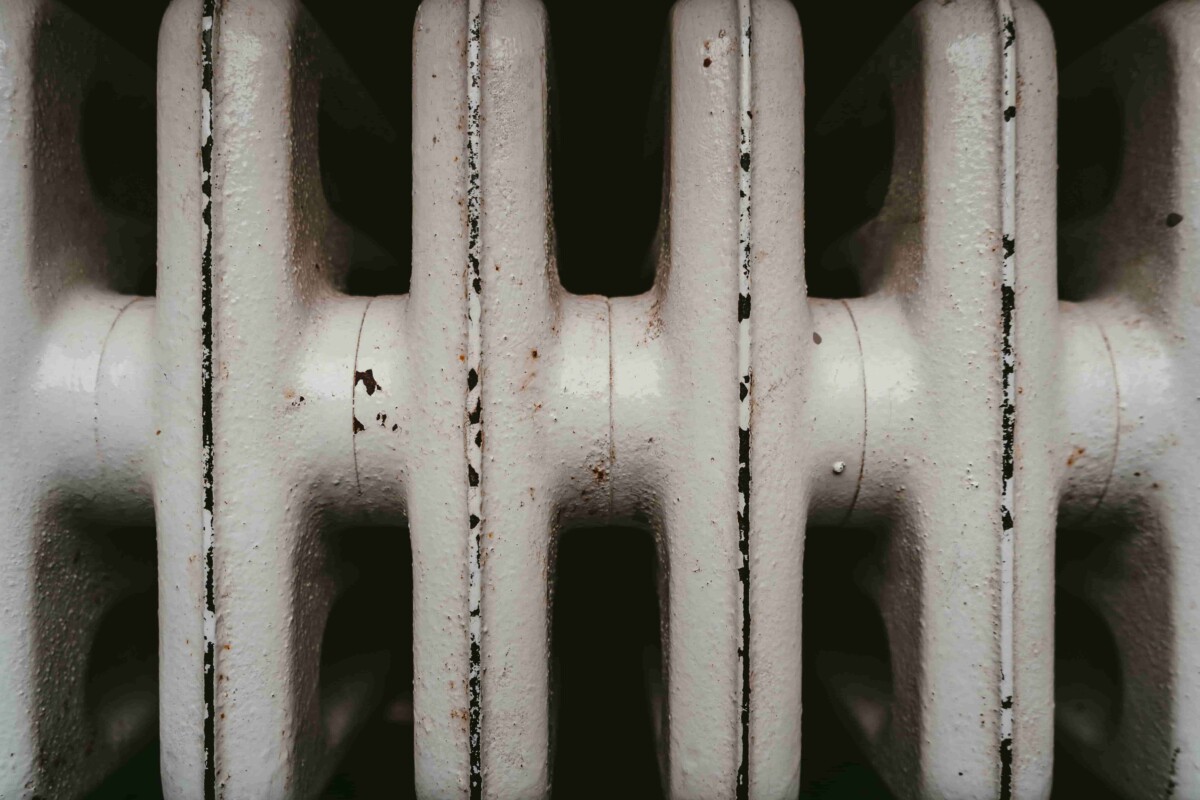
Nothing spoils the look of a bathroom faster than a rusty radiator. Those seemingly harmless little brown spots can spread quickly if left untreated, and can cause lasting damage to the metal that can be tricky (and costly) to fix. This blog will help you keep rust out of your bathroom, or deal with it quickly if you already have an issue. Follow our advice to help keep your radiators looking great for years. You’ll also save the cost and hassle of unnecessary or early replacement.
Table of Contents
- Why do bathroom radiators rust?
- How to stop your bathroom radiator from rusting?
- How should you clean a radiator to prevent rust?
- How do you get rid of rust on a radiator?
- Can you paint or coat a radiator to stop rust?
- When should you replace a rusty radiator?
- FAQs
Why do bathroom radiators rust?
Bathrooms are naturally damp places; the perfect environment for rust to take hold!
When steam from the air settles on a metal radiator, it forms water droplets (condensation). The combination of oxygen, water, and metal starts a process called oxidisation that eventually forms rust.
Here are a few reasons why bathroom radiators are so susceptible to rust:
-
Water splashes:
If your radiator is near the bath or sink, it’ll often get splashed, which can be enough to cause rust.
-
Leaks:
Even a small leak from the valve or pipework can leave the surface damp enough to cause corrosion.
-
Poor ventilation:
Bathrooms are naturally damp spaces, but if you don’t open windows frequently, or have an effective extractor fan, moisture can stay in the air for longer than necessary.
-
Scratches or chips on the surface:
Once paintwork gets damaged, the metal underneath is exposed and can start to rust.
-
Poor paint finish:
Some older or cheaper radiators don’t have the best protective coating, so they rust faster.
How to stop your bathroom radiator from rusting?
Follow these simple steps to help keep rust away:
1. Keep it clean and dry
Wipe with a soft, dry cloth - especially after a hot shower - to remove any condensation or water splashes.
As part of your general cleaning regime, use warm soapy water and a soft cloth to clean away any dirt or rust spots, then dry thoroughly. Don’t use scouring pads or harsh cleaners as they can scratch the paint and make things worse.
2. Ventilate the room well
Good ventilation makes a big difference. Keep your extractor fan on for a bit after showering, or open the window to let steam out. The less moisture in the air, the less chance there is of rust forming.
3. Keep an eye out for leaks
Check valves and joints every so often. Even a small drip can cause a patch of rust if it’s left unrepaired.
4. Protect the surface
You can use a clear metal protector spray or even a light coating of wax polish to give your radiator a protective layer against moisture. It’s quick, easy, and really helps to keep the metal dry.
5. Radiator position
If you’re designing or renovating your bathroom (and have the space to), position your radiator out of reach of splashes. Premier Care in Bathing can help you with bathroom design and how to choose between a bath or shower or a combination if you have limited space.
[caption id="attachment_42235" align="alignnone" width="1200"]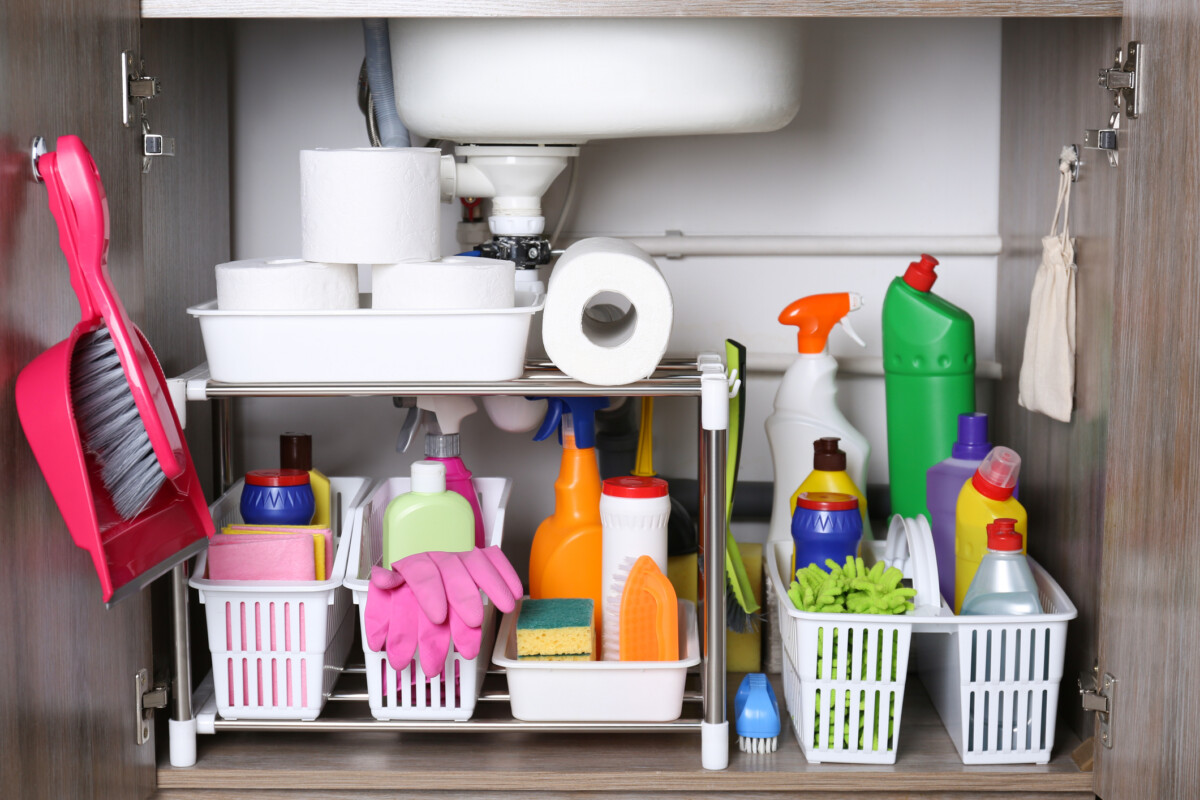 Open under sink cabinet with different cleaning supplies in kitchen[/caption]
How should you clean a radiator to prevent rust?
Regular cleaning will help you spot any early signs of trouble and say goodbye to rusty radiators!
- Step 1: Wipe with a soft cloth or your vacuum’s brush attachment.
- Step 2: Clean with warm, soapy water and a soft cloth. Don’t use anything rough or scratchy!
- Step 3: Dry thoroughly. This is the most important part; even a little moisture can cause rust spots over time.
Don’t use bleach or strong surface cleaners as they can damage the protective paint.
How do you get rid of rust on a radiator?
If you’ve already spotted rust, don’t worry, it’s usually easy to remove it yourself.
Step 1: Clean the surface
Use fine sandpaper to gently loosen any rust. You just want to get rid of the orangey-brown spots, not strip all the paint, so be careful not to be too heavy-handed.
Step 2: Clean and dry
Wipe away the dust and make sure the surface is completely dry.
Step 3: Treat any rust spots
You can buy rust remover fluid or gel from a DIY store. You can also make your own formula; mix baking soda with just enough white vinegar to form a thick paste. Apply the paste to the rust, let it sit for at least 30 minutes, then scrub the area with a brush before rinsing and drying thoroughly.
Step 4: Paint the treated area
Once it’s clean and dry, paint with specialist radiator paint that’s designed to handle heat and moisture.
Can you paint or coat a radiator to stop rust?
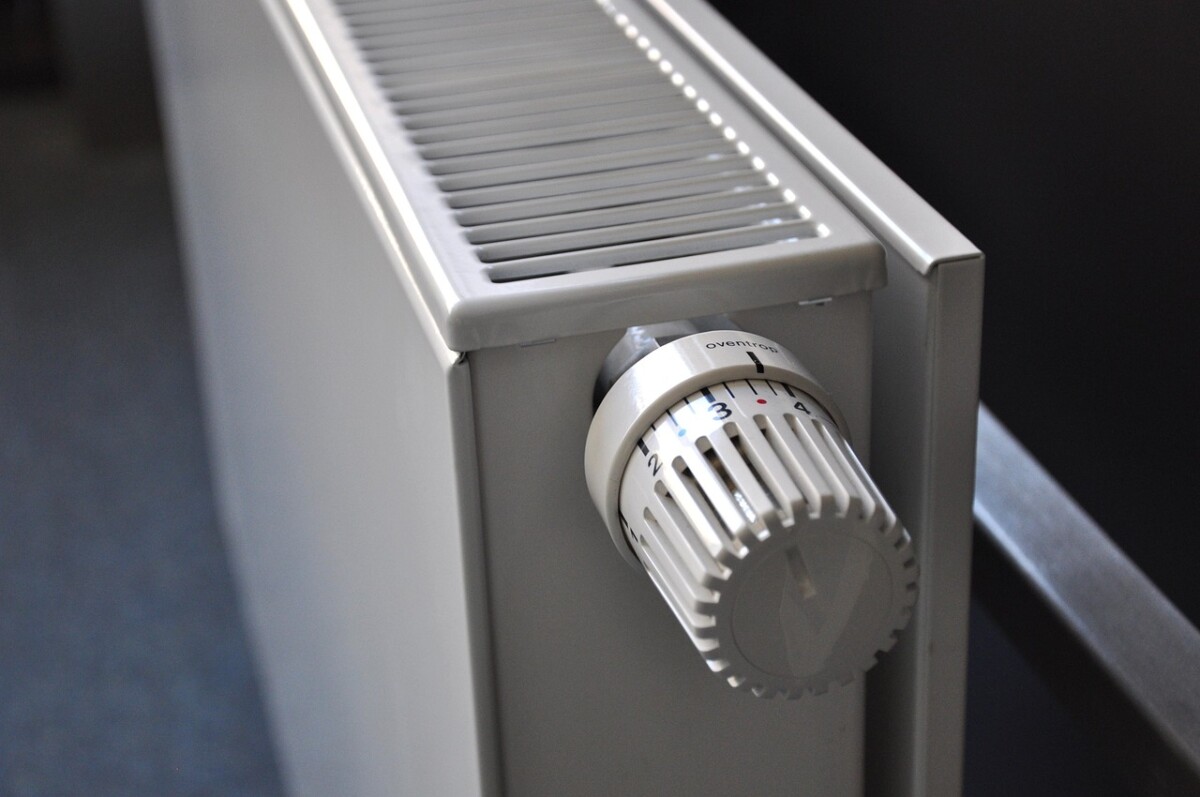
Yes! A good coat of specialist radiator paint acts as a protective shield and will keep the metal underneath away from moisture.
- Use paint made for radiators or metal; it’s heat-resistant and hard-wearing.
- Don’t use ordinary wall paint; it’ll peel and doesn’t protect against moisture.
- For extra peace of mind, you could add a layer of rust protector once the paint’s dry.
When should you replace a rusty radiator?
In most cases, you can fix small patches of rust yourself. But sometimes, the damage is too extensive.
You’ll need to replace your radiator if:
- The rust has eaten through the metal and caused a leak.
- Large surface areas are affected by rust.
- The metal is starting to crumble.
- Repairs would cost more than buying a new one.
If you’re unsure, a plumber or specialist heating engineer can advise you.
FAQs
How do I protect the radiator valves and joints?
Keep them clean and dry. You can dab a tiny bit of WD-40 or protective oil on them to stop moisture getting in, but always check for leaks first.
Does ventilation really make a difference?
Yes, it makes a big difference. It’s an excellent way to reduce rust because it creates good airflow, keeping surfaces dry. If you’ve got a dry surface, it’s less likely to rust. Ventilation also stops condensation from forming.
Can WD-40 remove rust?
WD-40 isn’t designed for rust removal. However, what it does do is help loosen light surface rust. It also helps to prevent more rust forming, so it may be worth trying. However, you’ll still need to clean and sand the area first.
Why is my heated towel rail going rusty?
Are you leaving wet towels on the rail for a long time? Heated towel rails are designed to help dry towels, but if they are soaked through and left for some time, then rust can form. If the radiator is off, then it can create moisture, which causes rust. The best thing to do is to keep hand towels unfolded so they dry quicker, and don’t put soaking wet towels on a towel rail. If you see chips in the paint starting to form, repair them as soon as you can.
Keeping your radiator rust-free is about a bit of regular care. Wipe it dry, keep your bathroom aired, and fix small problems before they get worse. If you do spot rust, don’t panic. A quick sand and repaint can make it look new again. Follow the advice in this blog to help keep your bathroom rust-free for longer. Need more advice on keeping your bathroom in tip-top condition? Our blog covers a huge range of useful topics, including things like how to clean a shower head and eco-friendly bathroom tips.
If you’d like help with choosing a new radiator for your bathroom, why not request a copy of our free brochure.